From Spec to Implementation: A Step-by-Step Workflow
A practical workflow for turning an approved spec into a clean, testable implementation—from breaking down acceptance criteria into tasks to structuring your final PR, with AI as a guardrail-driven assistant.
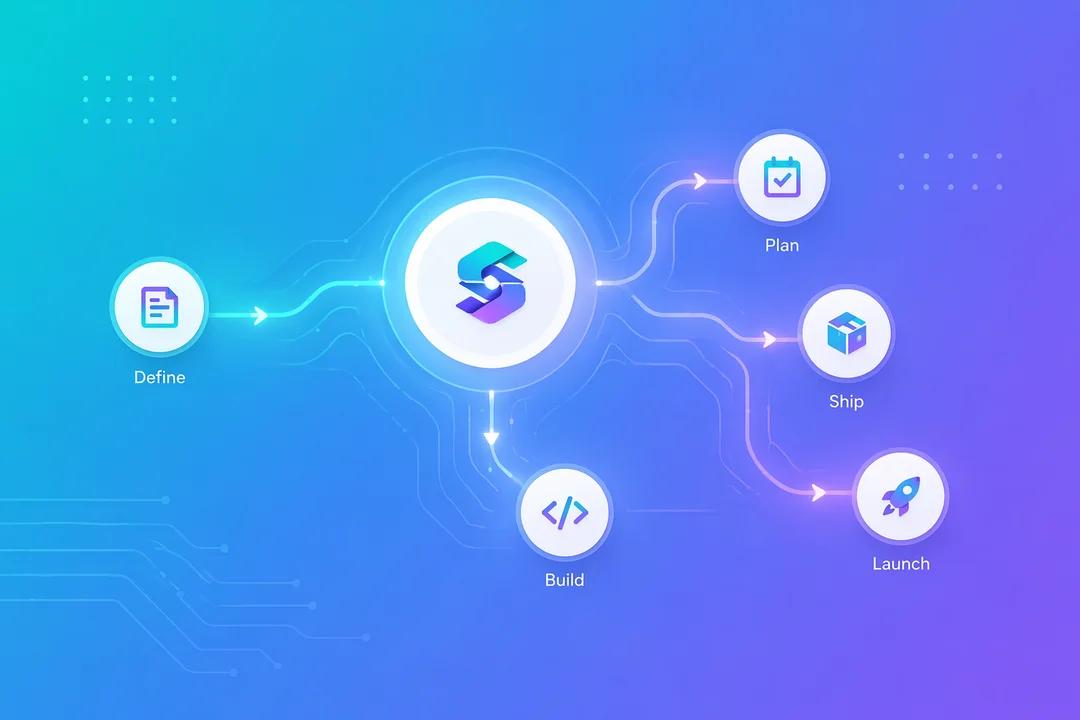
So you’ve got an approved spec. Nice. Now comes the part where things can either go smoothly… or turn into chaos real quick 😄 Here’s a simple, no-stress workflow to help you turn that spec into clean, working code - without losing your mind
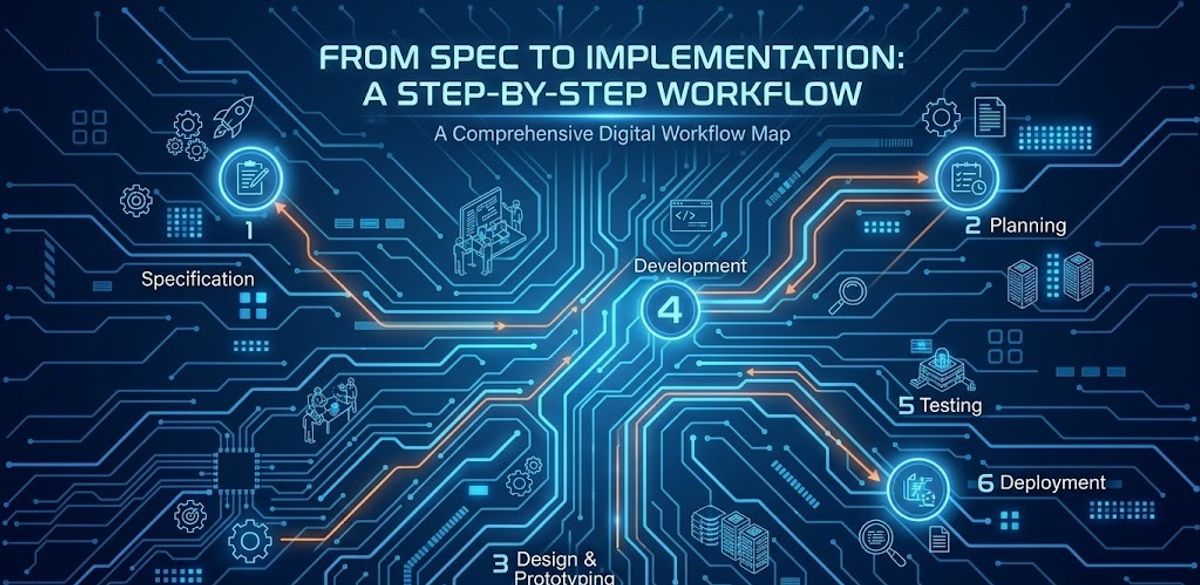
Step 1: Break Down the Spec into Actionable Tasks Start by converting each acceptance criterion into smaller, manageable tasks. This is the foundation of an effective implementation workflow Each task should be: - Small and focused (ideally completed within a few hours) - Tied to a specific requirement in the spec - Independent enough to be built and tested on its own For example, instead of “build checkout feature,” break it into: + Create payment API integration + Handle validation and error states + Design checkout UI + Implement order confirmation logic
This approach improves clarity, reduces overwhelm, and allows faster iteration Step 2: Define Clear Success Criteria Before writing any code, define what “done” looks like for each task. This includes: - Expected functionality - Input and output behavior - Edge cases handled - Test coverage requirements Clear success criteria eliminate ambiguity and ensure that both developers and reviewers are aligned. It also makes it easier to validate outputs when using AI-assisted development tools Step 3: Prioritize Tasks Based on Dependencies Not all tasks can be completed in parallel. Some rely on foundational components such as APIs, database schemas, or shared services. A typical priority order looks like: - Core logic and data structures - Backend services or APIs - Frontend components - Error handling and optimizations By tackling dependencies early, you reduce blockers and create a smoother development flow. Step 4: Implement in Small, Testable Iterations Avoid building large features in one go. Instead, focus on incremental development: - Complete one task at a time - Test immediately after implementation - Validate against the original acceptance criteria This iterative approach minimizes bugs, simplifies debugging, and ensures continuous progress. Step 5: Use AI as a Structured Assistant AI can significantly enhance productivity—but only when used with clear guidance. Use AI to: - Generate boilerplate code - Suggest improvements or optimizations - Create unit tests - Review logic against requirements However, always provide context. The more specific your input (task description, constraints, expected output), the more accurate the AI-generated result will be. Think of AI as a productivity multiplier—not a replacement for critical thinking. Step 6: Write Clean and Maintainable Code A working feature is not enough-it needs to be sustainable. Follow best practices such as: - Clear and consistent naming - Modular and reusable components - Separation of concerns - Minimal complexity Clean code improves readability, simplifies future updates, and reduces technical debt. Step 7: Prepare a High-Quality Pull Request Your pull request (PR) is where your implementation is reviewed and validated. A strong PR should include: - A clear summary of changes - Reference to the original spec or task - Screenshots or demos (if applicable) - Notes on edge cases or trade-offs Well-documented PRs speed up reviews and improve team collaboration. Step 8: Validate Against the Original Spec Before merging your code, revisit the spec and confirm: - All acceptance criteria are fully implemented - Edge cases are handled correctly - The user experience matches expectations This final step ensures that the implementation delivers real value—not just working code. Conclusion: Build with Structure, Ship with Confidence Moving from spec to implementation doesn’t have to be chaotic. With a clear workflow, teams can build faster, reduce errors, and maintain alignment throughout the development process. By breaking down tasks, defining clear outcomes, and leveraging AI strategically, you create a system that is both efficient and scalable. If you want to consistently deliver high-quality software, mastering this workflow is not optional - it’s a competitive advantage
Instead of starting from a blank page, you can use myspec —an AI-powered agent designed to guide you step-by-step and turn your ideas into a complete, high-quality spec ready for review and development.
👉 Try myspec to:
- Generate structured product requirement documents (PRDs)
- Define clear, testable acceptance criteria
- Catch edge cases early
- Create better specs for building websites and products with AI
Because better specs don’t just make development easier—they make great products possible.